
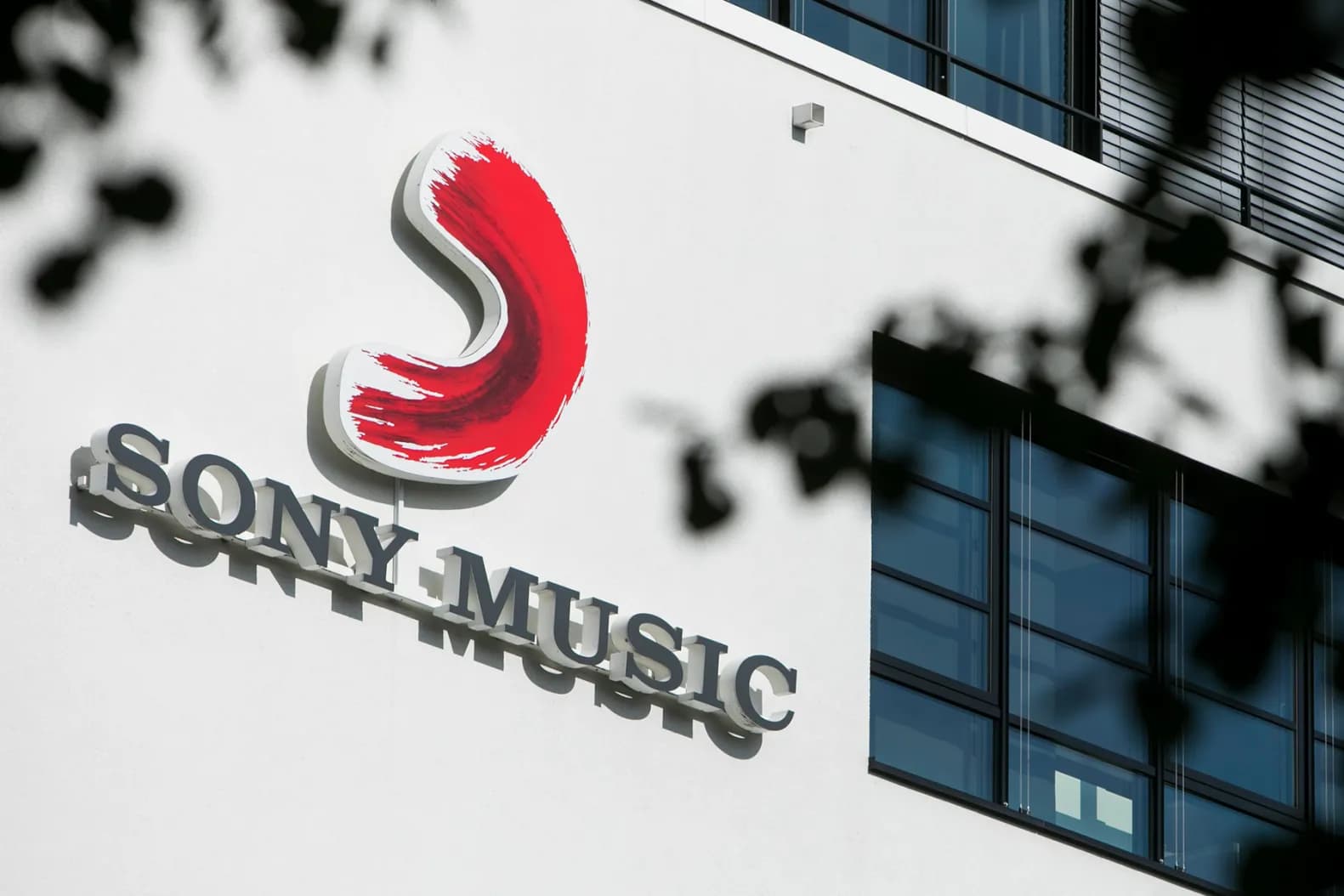
wo massive developments are dominating the music business today, underscoring the stark contrast between traditional music catalog valuation and the frontier of digital copyright law. On one front, major labels are deploying billions to secure legacy and modern pop catalogs. On the other, the world’s biggest pop star is quietly building a legal fortress against generative artificial intelligence.
Here is the objective breakdown of the most critical industry news for the first week of May.
1. Sony Music Closes In on $4 Billion Acquisition of Recognition Music
Sony Music Group is in advanced, exclusive negotiations to acquire Blackstone’s Recognition Music Group in what is shaping up to be one of the largest catalog deals in music history.
According to financial reports released today, the acquisition is being orchestrated through Sony’s rights-buying joint venture with the Singapore sovereign wealth fund, GIC. The proposed deal is valued between $3.5 billion and $4 billion. Recognition Music’s portfolio houses incredibly lucrative assets, including the publishing rights and master recording royalty streams of artists like Justin Bieber and Neil Young.
This move highlights a continuing trend of major music companies utilizing investor-backed joint ventures to compete with private equity bidders. By leveraging GIC's long-term capital, Sony can aggressively absorb massive portfolios without overstretching its internal balance sheet. If finalized, this will mark Sony’s third and largest acquisition of assets formerly associated with the Hipgnosis portfolio, cementing its dominance in the catalog acquisition arms race.
2. Taylor Swift Moves to Trademark Her Voice Against AI Threats
As the industry battles an influx of unauthorized AI-generated tracks, Taylor Swift is taking proactive legal measures to protect her identity. Intellectual property attorneys revealed today that Swift’s legal team has filed new applications with the U.S. Patent & Trademark Office, specifically seeking to trademark her vocal audio and distinct visual imagery from the Eras Tour.
The filings include two specific "sound marks" for Swift's voice, alongside a design mark for a glittering tour visual. Legal experts note that this is a highly calculated maneuver explicitly designed to combat artificial intelligence. By officially registering her voice as a trademark, Swift establishes a concrete legal foundation to issue immediate takedowns and pursue financial damages against any entity or AI content farm that attempts to clone her vocals without consent.
While federal and state lawmakers continue to debate the parameters of the NO FAKES Act and other AI-restrictive legislation, Swift is not waiting for the government to catch up. Her filings set a powerful precedent for how high-profile artists might use existing trademark laws to shield their biometric data from generative AI exploitation.