A surprising number of artists spend time hunting for a Shazam application form that doesn't exist. Shazam isn't a platform you apply to join, the way you might apply for a Vevo channel or pitch a song to an editorial playlist. It's a recognition service, and getting your music into its catalog happens automatically as a side effect of standard distribution, not as a separate task on your release checklist. The actual work worth doing here is understanding how the technology behind Shazam works, what determines whether your specific track gets recognized reliably, and how to read the data it gives you back. Then, because most content calendars lump the two together, it's worth understanding why Pandora is a genuinely different animal that happens to get mentioned in the same breath.
What Shazam Actually Is
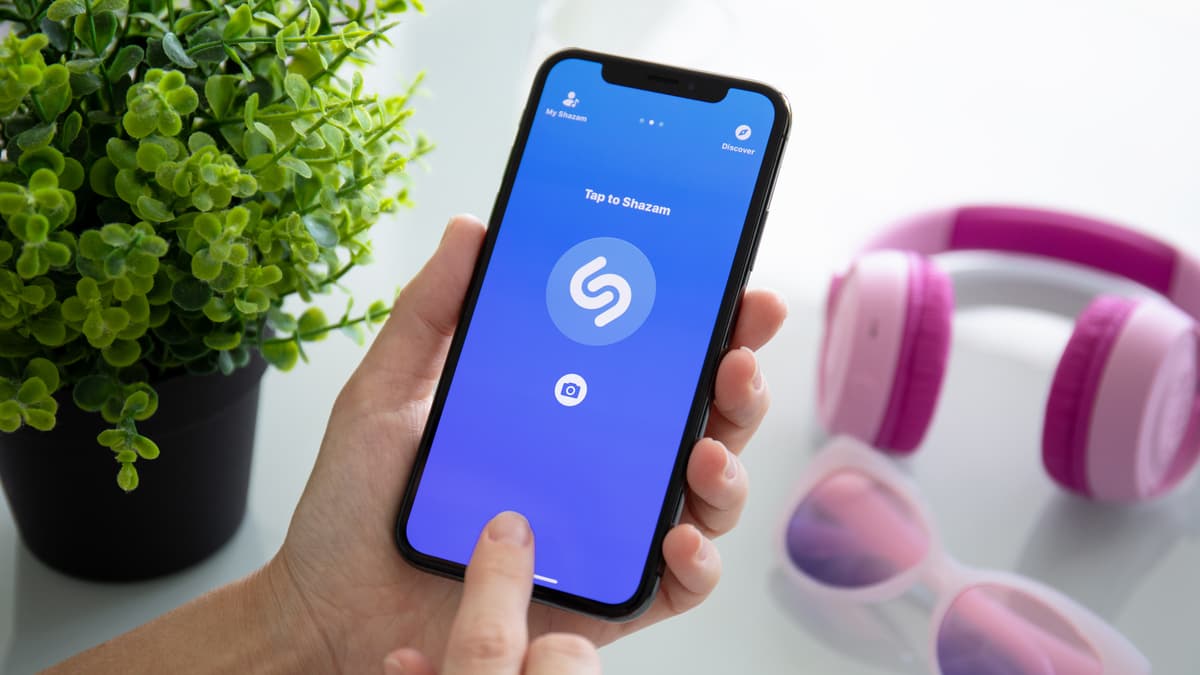
Shazam identifies songs by listening to a short audio sample and matching it against a fingerprint of the original recording, a bit like matching a fingerprint at a crime scene rather than reading a label. Apple bought Shazam in 2018, and today it's tightly woven into the Apple Music ecosystem rather than operating as a separate business with its own catalog and rules. When your distributor delivers a release to Apple Music, that same delivery is what populates Shazam's recognition database. There's no additional submission, no separate approval, and no extra fee tied specifically to Shazam.
This is worth sitting with for a second, because it changes the entire framing of the question. You don't get a track "onto Shazam" the way you get it onto a curated playlist. You get it into Apple's catalog, and Shazam recognition follows as a consequence of that.
Confirming Your Music Is Actually There
Because there's no dashboard notification telling you "your song is now Shazam-able," artists are often left wondering whether it actually worked. There are two reliable ways to check. The first is to go to Shazam's website and search for your artist name and track title directly, the same way you'd search a streaming platform's catalog. The second, and the more satisfying one, is to actually play the song near your phone and Shazam it yourself, the way a stranger would if they heard it in a café.
If a few days have passed since your release went live on Apple Music and neither method turns anything up, that's usually a sign to check in with your distributor rather than Shazam directly, since the two catalogs are meant to be in sync.
The Part That Actually Matters: Getting Recognized Reliably
Here's where most advice about Shazam stops short, and where the real substance is. Being technically present in Shazam's catalog and being reliably recognized when someone actually points their phone at a speaker are two different outcomes, and the gap between them comes down to audio fingerprinting itself.
Shazam's matching technology works by analyzing the specific acoustic signature of your exact master recording, the one delivered through your distributor. A few practical consequences follow from that:
A clean, well-mixed master with reasonably distinct frequency characteristics matches more reliably in noisy real-world conditions, a bar, a moving car, a crowded room, than a track that's heavily compressed or buried under ambient noise in the mix itself. This isn't a reason to change your production style for the sake of an app, but it is a reason to care about mix clarity for practical, not just aesthetic, purposes.
Remixes, edits, and alternate versions each need to be distributed and registered as their own distinct releases if you want each of them independently recognizable. A DJ edit that only exists as a live performance, never delivered through a distributor as its own release, will never generate a Shazam match, no matter how many times it gets played out.
Live recordings and cover versions are trickier by nature. Shazam's fingerprinting is built around matching a specific studio recording, so a live performance of a song, even your own song, often won't match against the studio version's fingerprint, and won't be recognized as confidently as the original master.
None of this requires a special production strategy built entirely around Shazam. It's simply useful context for why some tracks in a catalog seem to get identified constantly while others in the same discography barely register, even when both are getting comparable streaming numbers.
Reading Your Shazam Data
Once your music is live, Shazam Insights and a Top Shazams breakdown become available through Apple Music for Artists, not through a separate Shazam-specific dashboard. This data shows which of your tracks are getting identified most often and, more usefully, where geographically those identifications are happening.
That geographic layer is worth paying real attention to. A spike in Shazams from a city you don't have an obvious connection to is often a genuine signal, a DJ playing your track in sets there, radio pickup you weren't aware of, or a sync placement circulating locally. Artists planning tour routing or ad targeting sometimes treat this data as a secondary afterthought behind streaming numbers, when it can actually be one of the more honest signals of where a song is spreading through real-world listening rather than algorithmic recommendation.
Two Small Things Worth Knowing
Lyrics displayed on Shazam come from Musixmatch, not from Shazam itself and not from your distributor. If lyrics are missing or incorrect on your Shazam profile, the fix goes through Musixmatch directly, a detail that trips up a fair number of artists who assume it's something their distributor controls.
Tour dates can also appear on your Shazam profile, but that connection runs through Bandsintown. Setting up an artist profile there and keeping it current is what feeds tour information into Shazam and Apple Music for Artists alike, rather than anything managed inside Shazam's own systems.
Now, Pandora: A Genuinely Different System
Pandora gets mentioned in the same sentence as Shazam constantly, largely because both sit slightly outside the standard Spotify-Apple Music-Amazon Music trio most distribution guides focus on. But Pandora doesn't work like a recognition service, and it doesn't work quite like a standard on-demand streaming platform either. It's built around the Music Genome Project, a system that analyzes the actual musical characteristics of a track, instrumentation, tempo, harmonic structure, vocal style, and uses that analysis to place your song into personalized radio stations built around similar-sounding music. This means a track can get meaningful airplay on Pandora because it musically resembles what a listener already enjoys, independent of how well-known the artist is.
Getting Delivered, Then Claiming Your Profile
As with Shazam, you don't upload directly to Pandora. Your distributor delivers the release, and as part of that delivery you need to confirm two specific things: that Pandora was selected as a delivery destination, and that U.S. streaming rights were explicitly granted to Pandora during setup. Missing either of these is the most common reason an artist assumes they're "on Pandora" simply because they distributed everywhere, only to find their catalog isn't actually there.
Once delivery is confirmed, claiming your profile happens through Pandora's Artist Marketing Platform, generally shortened to AMP. Pandora has streamlined this over the past few years; the older process required a separate manual submission through an Artist Submissions portal, but for most catalogs delivered correctly through a supported distributor, claiming the AMP profile directly is now sufficient without a separate application.
What AMP Actually Gives You
Once claimed, AMP unlocks a set of tools that go beyond a simple profile page. Pandora Stories lets you build a curated mix of your own tracks paired with short voice recordings explaining the story behind them, a format built specifically for the kind of narrative context that a plain playlist doesn't carry. AMPCast works similarly but shorter, a spoken call-to-action clip played to listeners engaging with your music, useful for directing attention to a new release or an upcoming show.
The Featured Track program is the one with real reach behind it, and it comes with specific eligibility requirements worth knowing before you plan around it: the track needs to be under a year old and already receiving a minimum of four spins per day organically before you can nominate it. If it qualifies, a Featured Track placement runs for eight weeks and has been associated with spin increases up to 90% during that window. This isn't something you can request for a brand-new, unproven release, it's a tool for giving a real momentum boost to something that's already showing early signs of catching on.
AMP's analytics dashboard, separate from all of the above, shows lifetime streams, monthly listener counts, station and playlist placement, and listener demographics, giving a picture of your Pandora presence that's genuinely comparable in depth to what Spotify for Artists or Apple Music for Artists provide.
Where the Two Genuinely Overlap
The practical throughline between Shazam and Pandora is that neither is something you sign up for from scratch. Both depend entirely on your distributor delivering your release correctly, with the right platforms selected and the right rights granted during setup. From there, the meaningful work shifts to two very different places: for Shazam, it's about your master's technical clarity and understanding what the recognition data is actually telling you; for Pandora, it's about claiming your AMP profile and using tools like Stories and Featured Track deliberately, rather than assuming presence alone does the work.
Common Mistakes
Assuming a remix, edit, or live version will be recognized on Shazam without being distributed as its own distinct release is one of the most frequent points of confusion, and it applies just as much to a DJ edit as it does to an acoustic version of an existing single.
Forgetting to grant U.S. streaming rights to Pandora during distribution setup is the single most common reason artists believe they're live on the platform when they aren't. It's worth double-checking this specifically with your distributor rather than assuming Pandora is included by default the same way Spotify or Apple Music typically are.
Trying to nominate a brand-new release for Pandora's Featured Track program before it has any organic spin activity. The program is designed to amplify something already showing traction, not to manufacture traction from nothing.
Treating either platform's data as secondary to streaming numbers. Shazam identifications and Pandora's demographic and geographic breakdowns often surface patterns, unexpected cities, listener age skews, genre crossover, that streaming counts alone don't show.
The Bottom Line
Neither Shazam nor Pandora requires an application in the way people often assume. Both depend on your distributor delivering your release with the right platforms and rights selected, and both reward attention after that delivery rather than during it: mix clarity and separate registration for alternate versions on Shazam's side, an actively managed AMP profile and a Featured Track strategy timed to real momentum on Pandora's side. Distrovibe includes both platforms as standard delivery destinations in every release, so the distribution half of this is already handled the moment you upload; reading the data and claiming your profiles on each platform afterward is where the actual difference between a passive listing and an active presence gets made. If your release has more than one contributor, it's also worth having split payments set up before that first Shazam identification or Pandora spin starts generating royalties to track.