The digital music landscape is heavily saturated, making it tempting for emerging artists to look for shortcuts. However, buying streams or using unverified promotional services can now destroy your music career overnight.
Spotify and major distributors have launched a massive offensive against "Artificial Streaming," implementing automated detection systems and severe financial penalties. If you want to protect your catalog and your royalties, you need to understand exactly what artificial streaming is, how it is penalized, and how to grow your audience the right way.
What is Artificial Streaming?
Artificial streaming occurs when play counts are inflated by non-human means or forced listening behaviors. Third-party promotional services offering to boost your streams or guarantee specific playlist placements can sound tempting, but they are often generated using bot networks.
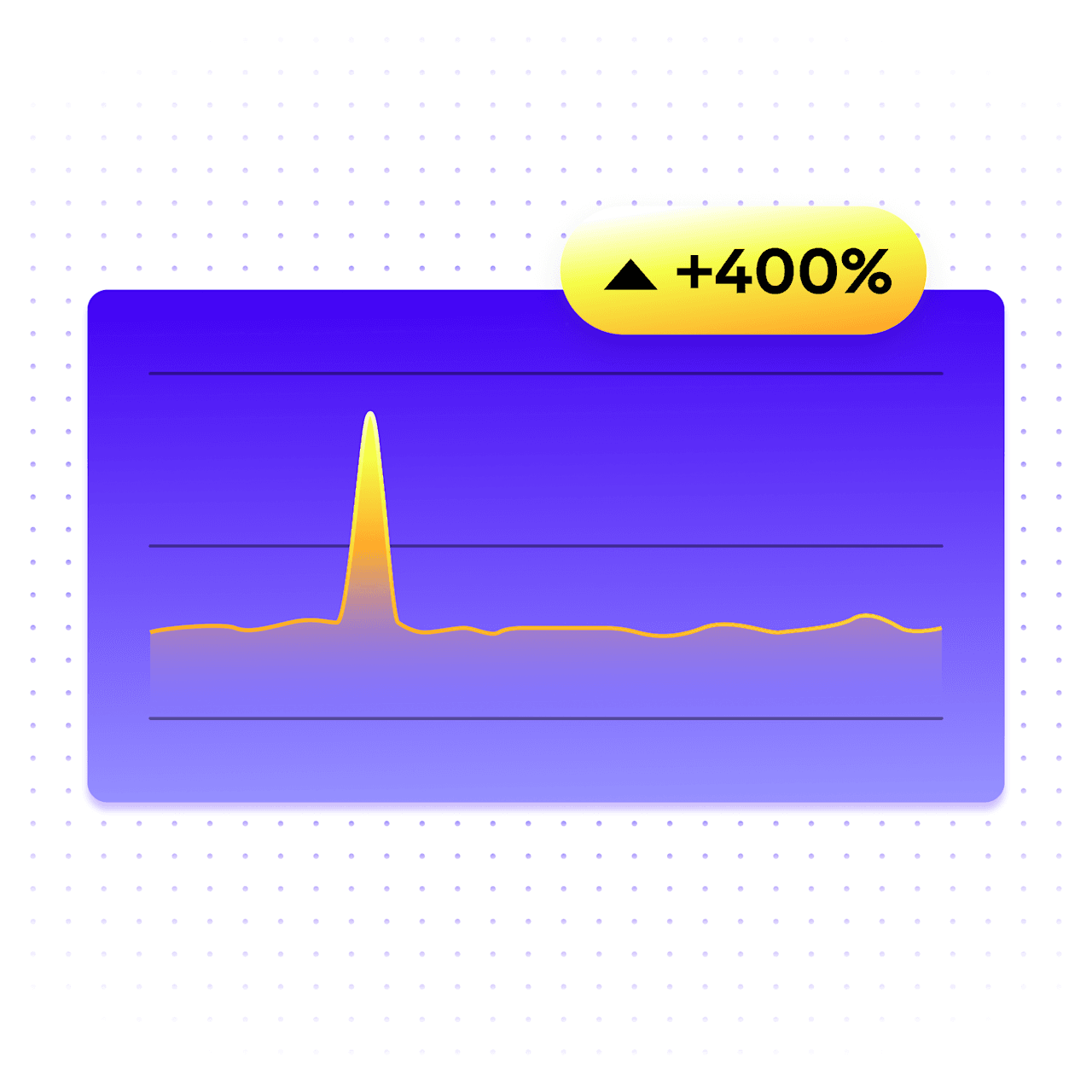
Spotify uses a sophisticated combination of automated systems and behavioral analysis to identify irregular activity. These systems flag streams when listening patterns do not align with expected audience engagement, such as highly unusual growth patterns or a severely limited diversity in traffic sources. A common warning sign of artificial activity on your profile is a sudden, unexplained spike in streams followed immediately by a sharp drop-off.
The Penalties: Fines and Takedowns
Trying to game the system is a waste of your marketing budget and directly violates platform Terms of Service. To deter this behavior, Spotify implemented a strict policy that charges a penalty fee per track when flagrant artificial streaming is detected.
When these fines are issued in monthly sales reports, distributors pass this financial charge directly to the user. If the penalty exceeds the funds currently in your account, your balance will become negative (e.g., having a $5 balance and receiving a $10 fine results in a -$5 balance).
The punishment extends far beyond financial fines. When artificial streaming is confirmed, the involved tracks are subject to immediate removal from all Digital Service Providers (DSPs). Furthermore, Spotify may remove the fake streams from your official sales reports, and distributors will block the offending UPC and ISRC codes in their systems permanently.
The Organic Alternative: Mastering Visuals and Direct Communication
The only safe way to grow your streaming numbers is to attract real human listeners. Instead of paying sketchy promotional agencies, artists should invest their time and budget into two organic pillars: Premium Visual Identity and Direct Fan Communication.
1. Stopping the Scroll with Visual Psychology Real users are attracted to high-quality aesthetics. Analyzing the visual design of the "DistroVibe Signed" playlist cover reveals exactly how to capture organic attention.
The design uses a highly saturated, solid purple background that creates a striking contrast against the dark-mode interfaces of streaming apps.
The artist portrait avoids generic photography, utilizing a moody duotone filter blending dark purple and neon green shadows. The subject, wearing a vintage pearl necklace, projects an aura of premium exclusivity.
The typography creates physical depth: a bold, white, sans-serif "distrovibe" logo sits at the top, while a thin, neon-green outline font spells "signed." By intentionally overlapping this text onto the artist's shoulder, the design creates a 3D depth-of-field effect.
Creating cover art with this level of visual intent stops listeners from scrolling and encourages legitimate, organic streams.
Artificial streaming is a trap that will lead to financial penalties, blocked releases, and a ruined reputation. Focus on releasing great music, packaging it with stunning visual designs, and nurturing your community through authentic, direct newsletters.