Most independent artists can tell you how many streams a song picked up. Far fewer can tell you where that money actually comes from, who else has a claim on it, or why two artists with identical stream counts can end up with very different payouts. That gap is where a lot of royalty income quietly disappears not to fraud or bad luck, but to paperwork nobody filled out.
This guide breaks down the royalty types that matter for an independent artist in 2026, how the math behind streaming actually works, and the small administrative steps that determine whether you collect everything you're owed.
The Royalty Types You're Actually Owed
Every recording generates more than one kind of royalty, and each one is collected by a different party:
Streaming (Master) Royalties
Paid out when your recording is played on Spotify, Apple Music, YouTube Music, and similar platforms. This is what your distributor collects and pays to you.
Mechanical Royalties
Technically tied to the reproduction of a composition (the song itself, not the recording), mechanical royalties are bundled into streaming payouts on most platforms today, but still apply separately to things like physical sales, downloads, and some sync licenses.
Performance Royalties
Generated whenever your composition is performed publicly: radio play, live venues, TV placements, and streaming platforms also pay a performance royalty on top of the mechanical portion. These are collected by Performing Rights Organizations (PROs) ASCAP, BMI, SESAC in the US; MCPS-PRS in the UK; GEMA in Germany; and similar bodies elsewhere.
Sync Royalties
One-time or negotiated fees paid when your music is licensed for use in film, TV, ads, games, or branded content. These are negotiated directly or through a publisher/sync agency, and are separate from streaming income entirely.
Print Royalties
A smaller category today, generated from sheet music and lyric reproductions.
The critical point: your distributor only handles one of these master/streaming royalties. If you're not registered with a PRO, you are leaving performance royalties on the table every time your song streams, gets played on radio, or shows up in a public setting. This is the single most common gap independent artists have.
How Streaming Royalties Are Actually Calculated
Spotify and most major platforms use what's called a pro-rata model, not a fixed per-stream rate. Here's the mechanism:
The platform pools total subscription and ad revenue for the month.
It pays out a percentage of that pool to rights holders.
Your share of the pool is proportional to your share of total streams on the platform that month.
This is why there's no single "per stream" number instead there's a range, generally landing between $0.003 and $0.005 per stream on Spotify, with the geography of your listeners playing a major role. A stream from a Premium subscriber in the US or UK is worth several times more than a stream from a free-tier listener in a lower-priced market, simply because the revenue pool those streams are drawn from is bigger. Apple Music and Tidal tend to pay a meaningfully higher rate per stream than Spotify, largely because they don't have a large free/ad-supported tier diluting the pool.
Practically, this means two artists with the same stream count can see very different royalty checks depending on where their audience actually lives which is one more reason geo-targeted promotion (not just raw stream count) matters for revenue, not just visibility.
The Administrative Steps Most Artists Skip
1. Register with a PRO
If you write your own music and you're not registered with a PRO, you're structurally unable to collect performance royalties, regardless of how well the song performs. This takes an afternoon and is free or near-free to join in most territories.
2. Set up publishing administration.
A PRO collects performance royalties, but mechanical royalties in territories outside your PRO's direct reach and sync opportunities usually need a publishing administrator. For most independent artists starting out, a self-publishing setup through a publishing administrator is the more accessible option compared to signing away a share of your rights to a traditional publisher.
3. File split sheets before you release, not after.
Any track with more than one writer, producer, or featured artist needs a signed split sheet defining each person's percentage of the composition, and separately, of the master recording. Without one, a dispute over who owns what can freeze royalty payouts entirely, sometimes for months, while distributors and PROs wait for the parties to resolve it. This document takes ten minutes to fill out during a session and can save you from a legal headache a year later when the song unexpectedly takes off.
4. Keep your metadata consistent.
ISRC and ISWC codes, correct songwriter credits, and consistent artist name spelling across every platform prevent royalties from getting misattributed or stuck in an unmatched-claims queue at a PRO or distributor.
What This Looks Like in Practice
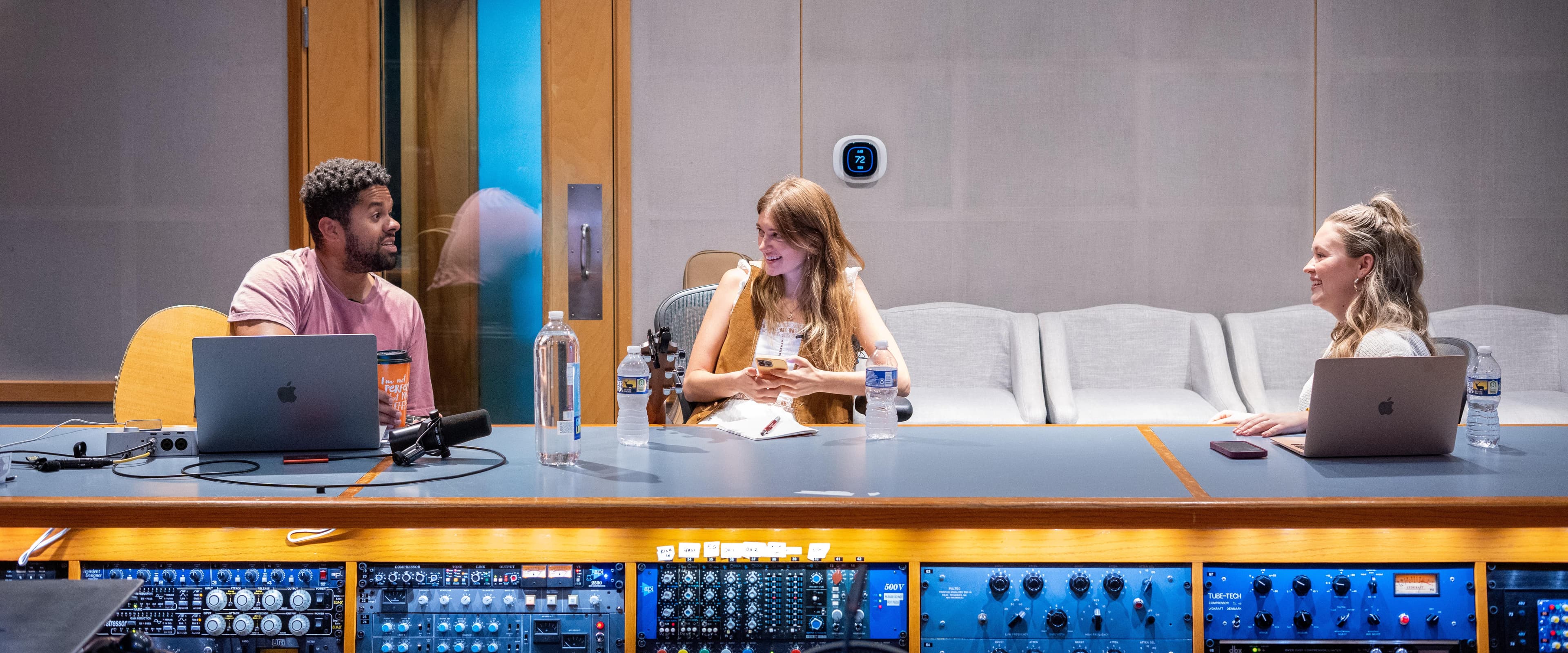
Say three collaborators write and record a track together. If a split sheet was signed before release with, for example, a 40/30/30 songwriting split and a 50/25/25 master split, every royalty streaming, sync, performance gets divided automatically and correctly the moment it's collected. If no split sheet exists, that same royalty can sit unpaid while the three parties sort out an agreement retroactively, and any sync licensing opportunity that comes in during that window may simply be turned down because ownership isn't clearly documented.
This is exactly the kind of gap that's cheap to close in advance and expensive to fix after the fact.
Streaming royalties get most of the attention because they're the number on your distributor dashboard, but they're only one piece of what a released song is entitled to earn. PRO registration, publishing administration, and clean split sheets aren't exciting, but they're what determines whether the other royalty streams performance, sync, mechanical actually reach you instead of sitting uncollected. None of it requires a lawyer or a label; it requires about an afternoon of setup before you release, and consistent habits afterward.
If you're distributing through Distrovibe, split payments can be configured directly at upload so every collaborator's share is paid out automatically and correctly from the first stream no chasing anyone down after the fact.