
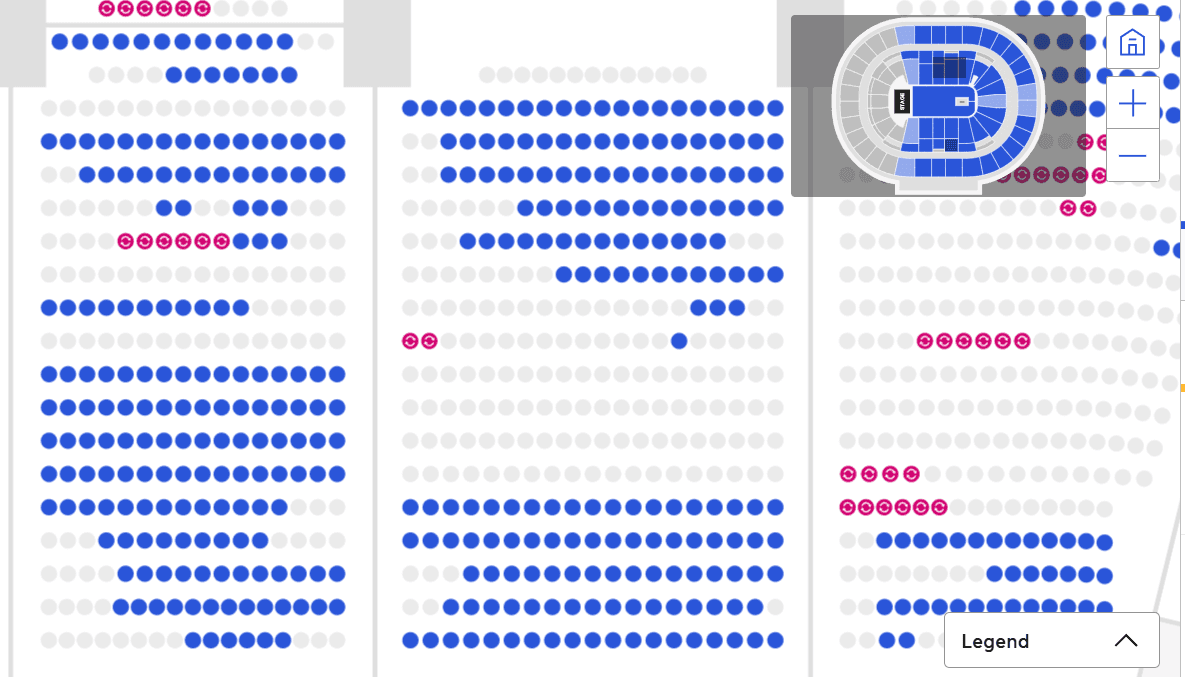
The music industry is currently experiencing a massive economic paradox. While digital streaming revenues continue to break Wall Street forecasts, the live entertainment sector is hitting a wall of consumer exhaustion. The first week of May has highlighted a sharp divide between how much fans are willing to spend in-person versus online.
Here is an objective look at the two major financial storylines dominating the music business today.
The Rise of "Blue Dot Fever" and Canceled Tours
A troubling trend is quietly sweeping through the live music sector. Major musical acts, including Post Malone, Meghan Trainor, and Demi Lovato, have recently canceled or indefinitely delayed their upcoming tours. While official press releases frequently cite scheduling conflicts or the need for work-life balance, industry insiders point to a much more structural issue: "blue dot fever".
The term, coined by fans, refers to the widespread sea of unsold seats shown as blue dots on Ticketmaster venue maps. The core of the problem is unsustainable pricing. According to recent market analysis, average concert ticket prices have skyrocketed from approximately $82 in 2020 to roughly $144 this year. When factored in with inflation, travel, and lodging expenses, a single arena concert now consumes an entire month's entertainment budget for the average consumer. Fans are simply being priced out of the live music experience, forcing promoters to pull the plug on half-empty arenas before incurring massive logistical losses.
Warner Music Group Defies the Gravity with $1.73 Billion Revenue
In stark contrast to the struggles of physical touring, digital music consumption remains an incredibly powerful economic engine. On May 7, Warner Music Group (WMG) released its fiscal second-quarter earnings, showcasing robust financial performance that significantly exceeded Wall Street expectations.
WMG generated a massive $1.73 billion in global company-wide revenue, marking a 12.1% year-over-year growth at constant currency. The growth was heavily driven by the digital sector, with recorded music subscription streaming revenues rising by 12.7% to hit $734 million. The company's adjusted earnings per share crushed analyst forecasts by nearly 63%.
These figures demonstrate that while fans are heavily restricting their spending on live events, their willingness to pay for premium streaming subscriptions remains largely unaffected. For independent labels and artists, the takeaway is clear: while the live sector undergoes a painful and necessary pricing correction, maintaining a strong, globally distributed digital catalog remains the most stable foundation for long-term revenue.